
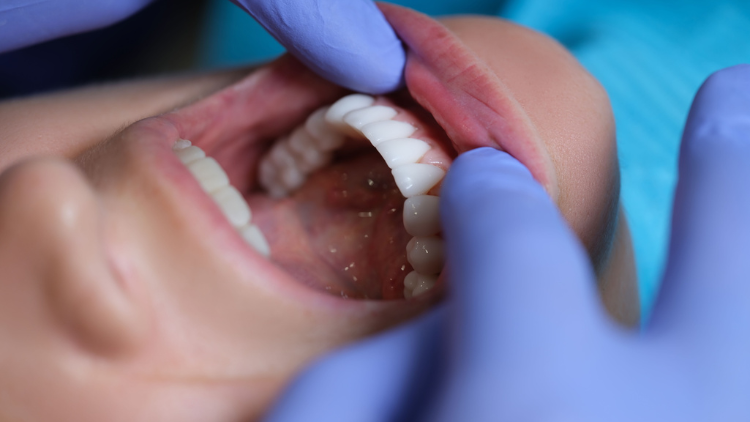
What Is Dental Bonding?
Dental bonding is a cosmetic and restorative dental procedure where a tooth-colored composite resin is applied directly to the surface of a tooth. It's used to repair chips, cracks, gaps, and discoloration — often in a single appointment without the need for anesthesia. It's one of the most affordable and least invasive cosmetic treatments available today.
At Comfy Dental Care, our experienced team uses high-quality composite resin materials that blend seamlessly with your natural teeth, giving you a result that looks and feels completely natural. If you haven't explored this treatment yet, our dental services page gives a full overview of what we offer.
Factors That Affect How Long Dental Bonding Lasts
Several things can influence the lifespan of your dental bonding:
- Location of the bonded tooth — Bonding on front teeth generally lasts longer than on molars, which absorb more chewing pressure.
- Your diet — Hard or crunchy foods can chip or crack the resin over time.
- Habits like nail-biting or pen-chewing — These put unnecessary stress on bonded teeth.
- Teeth grinding (bruxism) — Grinding puts excessive force on bonding and can wear it down quickly.
- Staining habits — Coffee, tea, red wine, and tobacco can stain composite resin faster than natural enamel.
- Oral hygiene — Regular brushing and flossing extend the life of bonding significantly.
Care and Maintenance Tips to Make Your Dental Bonding Last Longer
The great thing about dental bonding is that it doesn't require any special care routine beyond good oral hygiene. But there are a few simple habits that can help you get the most out of your treatment and avoid an early return trip to the dentist.
1. Brush and Floss Daily
This one might seem obvious, but it's the most important step. Brush your teeth at least twice a day with a soft-bristled toothbrush and a non-abrasive toothpaste. Abrasive whitening toothpastes can scratch the surface of the resin and dull its shine over time. Floss once a day to keep gum tissue healthy around the bonded tooth.
2. Avoid Stain-Causing Foods and Drinks
Composite resin is more prone to staining than porcelain. In the first 48 hours after your bonding procedure, it's especially important to avoid dark-colored foods and beverages like coffee, tea, cola, and red wine. Over time, try to minimize your exposure to these staining agents — or rinse your mouth with water immediately after consuming them.
If keeping your smile bright is a priority, ask us about our professional teeth whitening in Las Vegas. Just keep in mind that whitening treatments work on natural enamel, not on composite resin, so the shade of your bonding should be considered beforehand.
3. Skip the Hard and Crunchy Foods
Ice, hard candy, raw carrots, and crusty bread can chip or crack dental bonding — the same way they can damage a natural tooth. Be mindful about what you're biting into, especially right after a bonding procedure when the resin is freshly cured.
4. Break the Nail-Biting and Pen-Chewing Habit
Nervous habits like biting your nails, chewing on pens, or using your teeth as tools (opening packages, tearing tape) can significantly shorten the life of your dental bonding. These behaviors exert unexpected force on the resin and are one of the most common causes of premature chipping.
5. Wear a Mouthguard If You Grind Your Teeth
If you have bruxism — a condition where you grind or clench your teeth, often during sleep — talk to your dentist about a custom mouthguard. Grinding is a major culprit in wearing down dental bonding and can cause significant damage over time. Our team at Comfy Dental Care can help address this during a dental consultation.
6. Schedule Regular Dental Check-Ups
Routine dental visits are essential for keeping your bonded teeth in great shape. During your check-up, your dentist can polish the bonded areas, check for any signs of wear or chipping, and make small touch-ups before minor issues become bigger ones. Regular professional cleanings also help prevent plaque buildup around the bonding margins, which keeps the surrounding gum tissue healthy.
Neglecting your gums can put your dental work at risk. If you've been noticing any gum sensitivity, it's worth getting it checked — our team specializes in gum disease treatment in Las Vegas and can address concerns early.
Signs Your Dental Bonding May Need to Be Replaced
Even with the best care, dental bonding will eventually need to be touched up or replaced. Here are some signs it may be time to come back in:
- Visible chips or cracks in the resin
- Noticeable staining or discoloration that doesn't respond to polishing
- A rough or jagged texture when you run your tongue over the bonded area
- Sensitivity in the bonded tooth
- A gap forming between the bonding and the tooth edge
The good news? Touch-ups and replacement procedures are usually quick and straightforward. Dental bonding is one of the easiest treatments to maintain over time.
Dental Bonding vs. Other Cosmetic Options
If you're weighing your options, it helps to understand how dental bonding compares to other treatments. For example, porcelain veneers typically last 10 to 15 years and are more resistant to staining — but they also cost more and require some enamel removal. Dental crowns are recommended when there's more structural damage to the tooth and offer greater durability.
Dental bonding, on the other hand, is ideal for minor cosmetic corrections and repairs. It's faster, more affordable, and completely reversible. For patients who want to explore their full range of options, a consultation with Dr. Kevin Khorshid at Comfy Dental Care is the best place to start. You can also visit our about page to learn more about our team and approach to patient care.
Is Dental Bonding Right for You?
Dental bonding is a great choice for patients looking to fix chips, discoloration, gaps, or minor shape irregularities without undergoing a more extensive procedure. It's quick, comfortable, and delivers beautiful results.
If you're dealing with more significant tooth loss or structural issues, our team may recommend alternatives such as dental implants or dental bridges, which offer longer-lasting solutions for missing or severely damaged teeth.
Every smile is different, and so is every treatment plan. The best way to find out if dental bonding — or any other cosmetic treatment — is right for you is to book a consultation with our Las Vegas dental team.
Frequently Asked Questions About Dental Bonding
How long does dental bonding last on front teeth?
Dental bonding on front teeth typically lasts between 4 and 8 years, sometimes longer with good care. Front teeth experience less chewing pressure than molars, which helps the bonding hold up well. Avoiding habits like nail-biting and limiting stain-causing foods can significantly extend the lifespan.
Can dental bonding be repaired if it chips?
Yes! One of the advantages of dental bonding is that it can be easily repaired or touched up. If a small chip occurs, your dentist can simply apply additional composite resin, shape it to match, and re-cure it — often in a single short visit.
Does dental bonding stain over time?
Composite resin is more susceptible to staining than porcelain. Over time, exposure to coffee, tea, red wine, and tobacco can cause the bonding to yellow or darken. Good oral hygiene, regular dental cleanings, and limiting staining beverages can slow this process considerably.
Is dental bonding painful?
In most cases, dental bonding is completely painless and does not require anesthesia. The procedure involves roughening the tooth surface slightly and applying the resin material, neither of which typically causes discomfort. Your dentist may recommend a local anesthetic only if bonding is being used near a decayed or sensitive area.
How do I know when it's time to replace my dental bonding?
Signs that your bonding may need replacement include visible chipping, roughness, persistent staining, or increased sensitivity in the bonded tooth. Your dentist can also evaluate the condition of your bonding during routine check-ups and let you know if a touch-up or replacement is needed.
How does dental bonding compare to veneers in terms of longevity?
Porcelain veneers generally last longer — around 10 to 15 years — compared to dental bonding's average of 3 to 10 years. However, veneers are more expensive and require permanent alteration of the tooth surface. Dental bonding is a reversible, cost-effective option ideal for minor cosmetic corrections.