
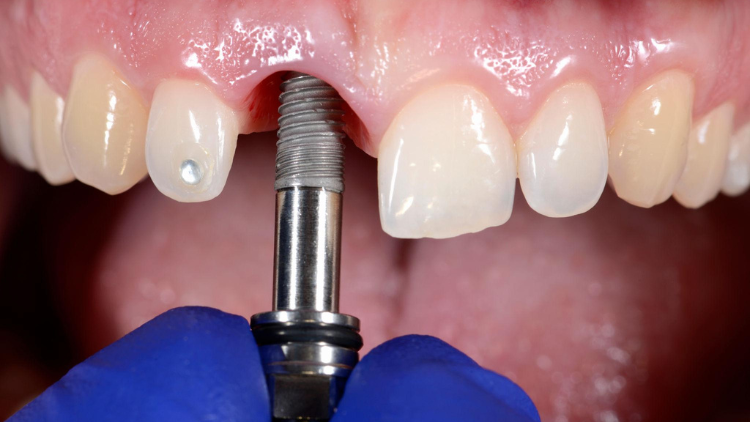
If you're considering dental implants you probably have a lot of questions — and that's completely normal. Implant surgery is one of the most effective and long-lasting solutions for missing teeth, but knowing what to expect at every stage can make a world of difference in how comfortable and confident you feel going into it.
This guide walks you through the entire process — from your very first consultation to your final recovery — so you're never left wondering what comes next.
Before the Surgery: Getting Ready
Your Initial Consultation
Everything begins with a dental consultation. During this visit, your dentist will review your medical history, take X-rays or 3D scans, and evaluate the health of your jawbone and surrounding teeth. This is also your opportunity to ask questions and discuss your goals.
Some patients need additional prep work before moving forward. For example, if you have gum disease, that will need to be treated first. If your jawbone lacks sufficient density, a bone graft may be recommended. These steps are not setbacks — they are part of making sure your implant has the best possible foundation.
Preparing for the Day of Surgery
Once you're cleared for surgery, your dentist will give you specific pre-procedure instructions. Here's what to generally expect:
- Avoid eating or drinking for several hours before your appointment if sedation is involved
- Arrange for a ride home, as you may still feel groggy after the procedure
- Avoid smoking in the days leading up to surgery, as it can impair healing
- Fill any prescribed medications — such as antibiotics or anti-inflammatories — in advance
It's also a good idea to stock up on soft foods like yogurt, soup, applesauce, and smoothies so you're ready for the recovery phase.
During the Surgery: What Actually Happens
Dental implant surgery is typically performed under local anesthesia, with the option of sedation for patients who experience dental anxiety. The procedure is carefully planned, and most patients report feeling little to no discomfort during it.
Step-by-Step Overview of the Procedure
- Anesthesia: The area is numbed completely so you don't feel pain during the procedure.
- Incision and preparation: A small incision is made in the gum to expose the jawbone, and a precise opening is drilled where the implant post will be placed.
- Implant placement: A titanium post — the artificial tooth root — is inserted into the jawbone.
- Gum closure: The gum tissue is sutured closed, and a healing cap may be placed over the implant.
The entire surgery usually takes one to two hours per implant, depending on complexity. For patients replacing multiple teeth with All-on-4 dental implants, the process may take longer but follows the same general steps.
After placement, your bone will need time to fuse with the implant — a process called osseointegration. This is what gives the implant its remarkable stability and can take anywhere from three to six months.
After the Surgery: Recovery and Healing
The First 24–72 Hours
The initial days after surgery are the most important for healing. You can expect some swelling, mild bruising, and soreness — all of which are completely normal. Here's how to manage your recovery effectively:
- Apply an ice pack to your cheek in 20-minute intervals to reduce swelling
- Take prescribed pain relievers or over-the-counter medications as directed
- Eat only soft, cool foods and avoid hot beverages
- Do not rinse vigorously or use a straw, as this can disturb the surgical site
- Get plenty of rest and avoid strenuous physical activity for at least 48 hours
Weeks 1–4: Ongoing Healing
Most patients return to their normal routines within a week. Swelling and discomfort typically subside within the first few days, though the implant site continues to heal beneath the surface.
You'll be asked to come in for a follow-up
You'll be asked to come in for a follow-up dental exam so your dentist can confirm the site is healing correctly. Practicing good oral hygiene — gentle brushing and rinsing with a saltwater solution — is essential during this period. If you notice unusual pain, significant swelling, or signs of infection, contact your dentist promptly.
The Final Stage: Your Permanent Crown
Once osseointegration is complete and your implant is fully secure, you'll return to have your dental crown placed. This is the visible, tooth-colored restoration that sits on top of the implant. It's custom-designed to match your natural teeth in size, shape, and color — so the result looks and feels completely natural.
With proper care, dental implants can last a lifetime. Regular dental check-ups and professional cleanings are the key to protecting your investment.
Is Dental Implant Surgery Right for You?
Implants are an excellent option for most healthy adults who are missing one or more teeth. However, certain conditions — such as uncontrolled diabetes or heavy smoking — can affect candidacy. The best way to know if you're a good fit is to schedule a consultation with our team.
For patients who have lost most or all of their teeth, All-on-4 implants or implant-supported dentures may be the right solution. Our team will help you explore every option and find the treatment that best fits your needs, lifestyle, and budget.
Ready to Take the Next Step?
At Comfy Dental Care, we believe that a confident smile starts with clear, honest communication. If you're ready to explore dental implants or simply want more information, contact us today to schedule your consultation. Our team in downtown Las Vegas is here to make your implant journey as smooth and comfortable as possible.
Frequently Asked Questions
How long does dental implant surgery take?
A single dental implant procedure typically takes one to two hours. More complex cases, such as full-arch restorations with All-on-4 implants, may require additional time. Your dentist will give you a more precise timeline during your consultation.
Is dental implant surgery painful?
Most patients experience minimal discomfort during the procedure because the area is fully numbed with local anesthesia. Sedation options are also available for patients who are anxious. Post-surgical soreness is normal and usually manageable with over-the-counter pain relievers.
How long does it take to recover from dental implant surgery?
Most patients resume normal daily activities within a few days. Full osseointegration — where the implant fuses to the jawbone — takes three to six months. During this time, you can typically eat, work, and go about your routine with only minor adjustments.
What can I eat after dental implant surgery?
For the first several days, stick to soft, cool foods like yogurt, smoothies, mashed potatoes, scrambled eggs, and soup. Avoid hard, crunchy, or very hot foods until your dentist confirms the site is healing well.
How do I care for my dental implant after surgery?
Brush gently around the implant site using a soft-bristled toothbrush, rinse with a warm saltwater solution, and avoid smoking. Attend all follow-up appointments so your dentist can monitor healing. Once fully healed, implants are cared for just like natural teeth.
Am I a good candidate for dental implants?
Most healthy adults with sufficient jawbone density are good candidates. Conditions like active gum disease or uncontrolled diabetes may require additional treatment first. The best way to find out is to schedule a consultation at Comfy Dental Care for a personalized evaluation.